
SONY (6758.T) SCRUBS CES 2027: OVERHEAD REDUCTION TARGETS LOW-MARGIN HARDWARE AS CAPITAL SHIFTS TO ANIME & SENSORS
Humberto SaabedraSONY (6758.T) SCRUBS CES 2027: OVERHEAD REDUCTION TARGETS LOW-MARGIN HARDWARE AS CAPITAL SHIFTS TO ANIME & SENSORS
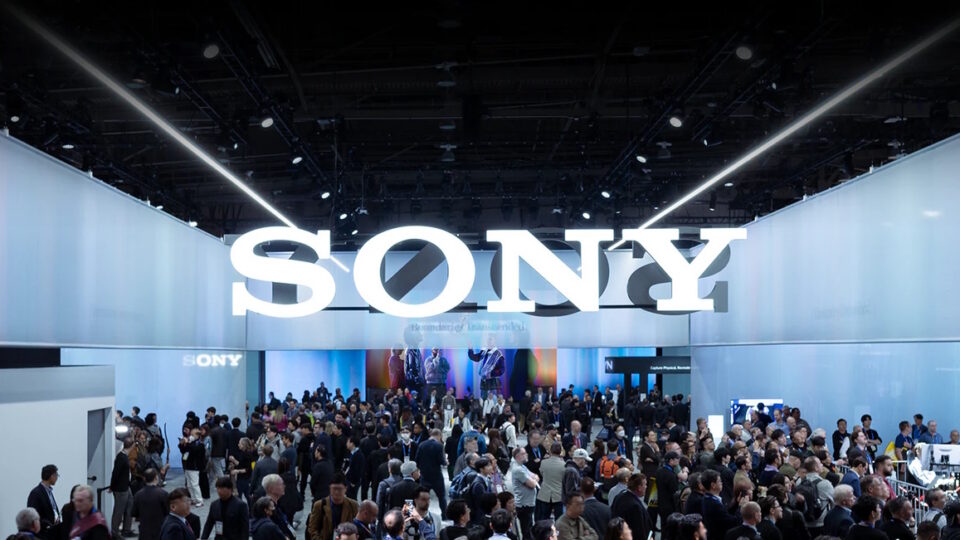
TOKYO / NEW YORK (RASTERWIRE) — Sony Group Corp. (TSE: 6758 / NYSE: SONY) has officially withdrawn from CES 2027, marking the complete dismantling of its legacy consumer electronics trade-show strategy to align with Tokyo Stock Exchange capital efficiency mandates.
The decision to bypass the marquee Las Vegas convention—where Sony has been a tentpole brand for six decades—follows a cross-segment financial audit highlighting severe margin dilution within its Entertainment, Technology & Services (ET&S) division. Generating an operating margin of ~6.5%, ET&S trails significantly behind Sony’s high-growth earnings drivers: Music & Anime (Aniplex/Crunchyroll at ~19.3% OP margin) and Imaging & Sensing Solutions (~18.2% OP margin).
SEGMENT MARGIN COMPARISON (TSE: 6758)
-----------------------------------------------------------------
ET&S (TVs, Audio, Cameras)    :  6.5% OP MARGIN  [CES EXPENSE SCRUBBED]
Game & Network Services (G&NS): 12.1% OP MARGIN  [DIRECT-TO-CONSUMER]
Imaging & Sensing (I&SS)      : 18.2% OP MARGIN  [CONFIDENTIAL B2B]
Music & Anime (Aniplex/CR)    : 19.3% OP MARGIN  [THEATRICAL / GACHA]
-----------------------------------------------------------------
By eliminating multi-million-dollar exhibition overhead, Sony management is actively pruning non-performing SG&A expenses while steering capital toward direct-to-consumer entertainment pipelines and confidential B2B semiconductor supply deals with Apple and mobile OEMs.
MARKET IMPLICATION: Neutral to slightly positive for TSE: 6758 long-term operating efficiency. Confirms total structural evolution from hardware manufacturer to IP, gaming, and semiconductor platform.
THE CELL CAPITAL CRISIS: HOW KEN KUTARAGI’S OUSTER LAUNCHED SONY’S IP TRANSFORMATION
1. 2006: The Cell Architecture & PS3 Capital Impairment
Under Ken Kutaragi (“Father of PlayStation”), Sony Computer Entertainment (SCEI) operated as an autonomous empire within Sony Group, driven by the belief that custom proprietary silicon could anchor the entire consumer electronics ecosystem. Kutaragi’s vision centered on the Cell Broadband Engine—a hyper-expensive custom chip intended to power not only the PlayStation 3, but also Bravia TVs, home servers, and medical equipment.
The strategy collapsed under its own capital weight:
- R&D Overruns: Billion-dollar silicon fabrication costs alongside early Blu-ray diode manufacturing bottlenecks forced the PS3’s infamously non-viable $599 launch price point.
- Balance Sheet Damage: SCE lost over ¥230 billion ($2B USD) in fiscal 2006 alone, subsidizing hardware hardware units and wiping out operating margins across Sony Group.
2. The Demotion & Demise of Hardware Imperialism (2006–2007)
In November 2006, facing severe board pressure and institutional investor outrage over PS3 losses, CEO Howard Stringer stripped Kutaragi of operational control, elevating Kaz Hirai to President/COO of SCEI. By April 2007, Kutaragi was forced out of the CEO role entirely, stepping down as Chairman two months later into an honorary advisory title.
Kutaragi’s exit marked the immediate death of two legacy corporate dogmas:
- Custom Silicon Hegemony: Sony permanently abandoned bespoke chip development, later transitioning PS4/PS5 to commodity AMD x86 architecture to eliminate semiconductor fabrication risk.
- Hardware-First Priority: The engineering caste lost its veto power over corporate strategy. Hardware was demoted from a standalone profit engine to a mere delivery vessel for high-margin software and recurring network services.
3. The Strategic Sequence: From Hirai’s “One Sony” to Yoshida’s IP Engine
| ERA | LEADERSHIP | CAPITAL ACTION | STRUCTURAL OUTCOME |
|---|---|---|---|
| 2000–2007 | Kutaragi / Idei | Custom Silicon / Hardware Hubs | PS3 Deficit / TV Margin Collapse |
| 2012–2018 | Kaz Hirai | Exit VAIO PC, Spinoff Bravia JV | SG&A Pruning / PSN Network Pivot |
| 2018–2026 | Yoshida / Totoki | Acquire EMI, Crunchyroll, Peanuts | IP Monopolist / CES Exit / High ROE |
The management team that succeeded Kutaragi systematically unwound Sony’s legacy consumer hardware exposure:
- VAIO PC Exit (2014): Sold off the flagship PC brand due to zero pricing power against Asian OEMs.
- TV Manufacturing Outsourcing: Transferred panel fabrication into joint ventures and secondary vendors (TCL) to eliminate fixed-asset capital drag.
- Aniplex & Publishing Expansion: Deployed balance sheet capital into high-margin media flywheels—converting Sony into the dominant global distributor of anime (Crunchyroll) and music publishing catalogs.